TRUMP WORKS FOR CHINA
The president pressed Nvidia to restore its chief executive while investigations remained open. The public deserves the records behind the assurances.
Kimmel Says It Best!
The president made the call. The board changed course.
The most revealing sentence came from the president himself. “I made the deal,” Donald Trump told CNBC after Jensen Huang returned to Nvidia. Trump said he had spoken to the board and persuaded it. A chief executive who resigned amid a suspected Chinese intelligence scandal was back in charge of a company central to America’s AI ambitions. The man taking credit was the president responsible for protecting those ambitions. ABC News, November 23
The corporate record supplies the mechanism. Nvidia’s SEC filing dates the board’s action to November 22. Its announcement, issued the next day, says directors received input from senior U.S. officials and relied on it to conclude that Huang’s return posed no national security risk. The same announcement says the independent investigation into the suspected foreign intelligence effort would continue. The company restored its leader before that inquiry reached its conclusion. Nvidia’s Form 8-K and announcement
That is where the inquiry begins. What information reached the directors? Who authorized the assurances? What did the president ask them to do, and what did they believe would happen if they refused? A president who controls export policy carries considerable weight into a conversation with a chip company. The public needs the substance of those conversations.
Trump described a government investigation as clearing Huang. ABC reported that it asked the White House which investigation he meant. The day before the reinstatement announcement, intelligence director Jay Clayton had said the Alice Huang and Megaspeed investigation remained open. Nvidia, meanwhile, said it would cooperate with government inquiries. The assurances were decisive. Their evidentiary foundation requires inspection. ABC’s account of the competing statements
The suspected operation at the center of the case
On November 11, Senators Elizabeth Warren and Chris Coons asked the White House, Commerce and State departments to preserve records concerning Nvidia, chip exports and a suspected Chinese intelligence operation. Their letter described Huang’s acknowledged relationship with a Megaspeed executive and cited reporting that she may have passed sensitive information to China’s intelligence service. It also described Megaspeed’s purchases of more than $4.8 billion in Nvidia chips since June 2024. Those allegations now sit alongside requests for the records needed to test them. Warren–Coons preservation demand
The senators raised another issue with consequences beyond Huang’s private conduct. They cited reporting that a Commerce investigation into suspected diversion of chips had changed course after contacts with Nvidia representatives. Their request covered licensing decisions, enforcement discussions, intelligence assessments and any decision to overrule security recommendations. An export restriction has little value if the agency charged with enforcing it can be talked out of following the shipment.
The allegations require findings. Nvidia’s directors have said their investigation is continuing. Huang has pledged cooperation. Any examination of Trump’s intervention must follow the chain of decisions all the way through the agencies, with the dates and participants attached. A photograph of a smiling president cannot answer an export-control question.
The authoritarian habit comes home
On November 24, senior House Democrats demanded answers about the president’s role. Their letter alleges he had received warnings before his May China trip and questions why Huang remained close to the administration. It calls for scrutiny of the reinstatement and the concentration of economic power around a handful of AI executives. These are congressional allegations, backed by requests for information that the White House must answer. House committee leaders’ November 24 letter
The authoritarian feature is the president’s willingness to make his personal judgment the organizing principle of a private company’s leadership and a national security controversy. Independent directors have duties to the company. Investigators have duties to the public. When presidential assurances move ahead of an unfinished inquiry, Congress has every reason to examine whether those duties survived the call.
Breaker, breaker. If the Buick’s brakes are under investigation, the salesman’s friendship with the governor doesn’t make the car safe. Show me the inspection. Show me who signed it. Then we can discuss the leather seats.
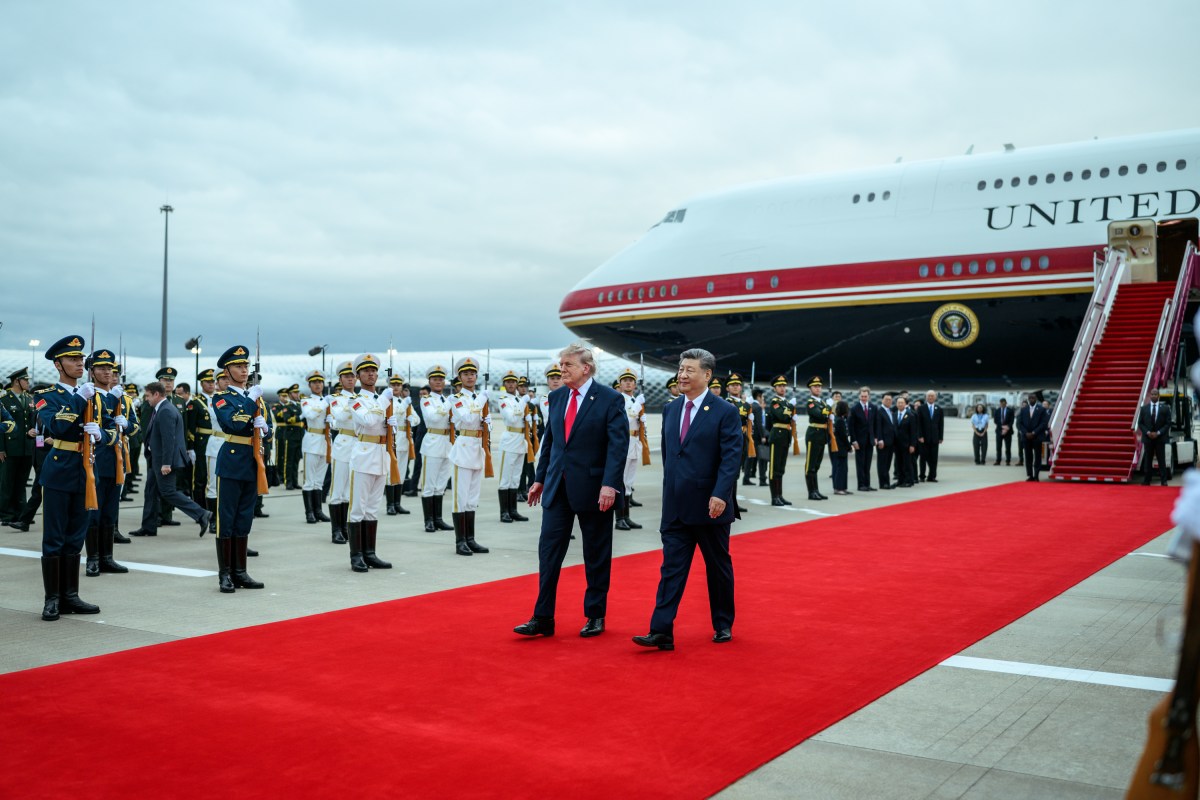
Red carpets for Beijing. Presidential pressure for the board.
Trump met Xi Jinping, general secretary of the Chinese Communist Party, in Shenzhen on November 19. The White House’s own declaration records the accompanying meeting with Vladimir Putin. The administration presents those talks as an effort to reduce conflict. In Trump’s subsequent account, Huang was also discussed with Xi. That places a corporate leadership controversy inside the president’s diplomacy with the very government at the center of the suspected intelligence operation. The leaders’ declaration · ABC on Trump’s account
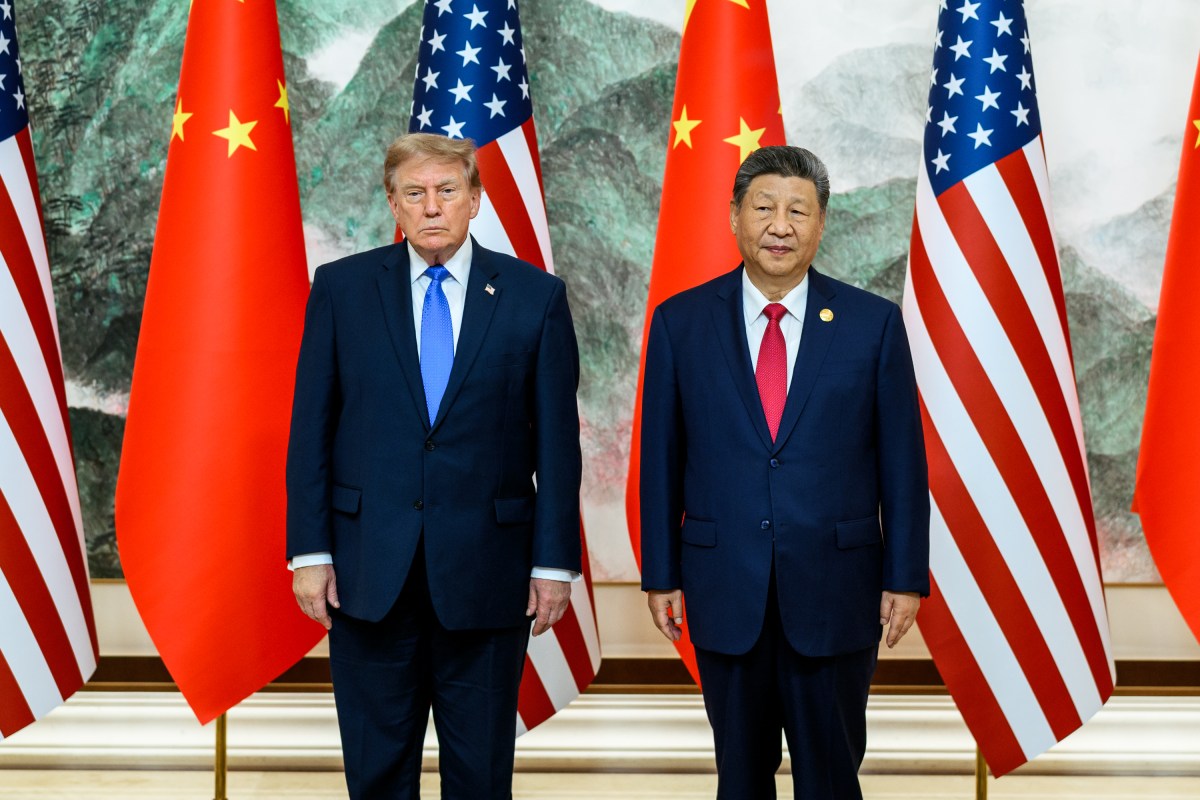
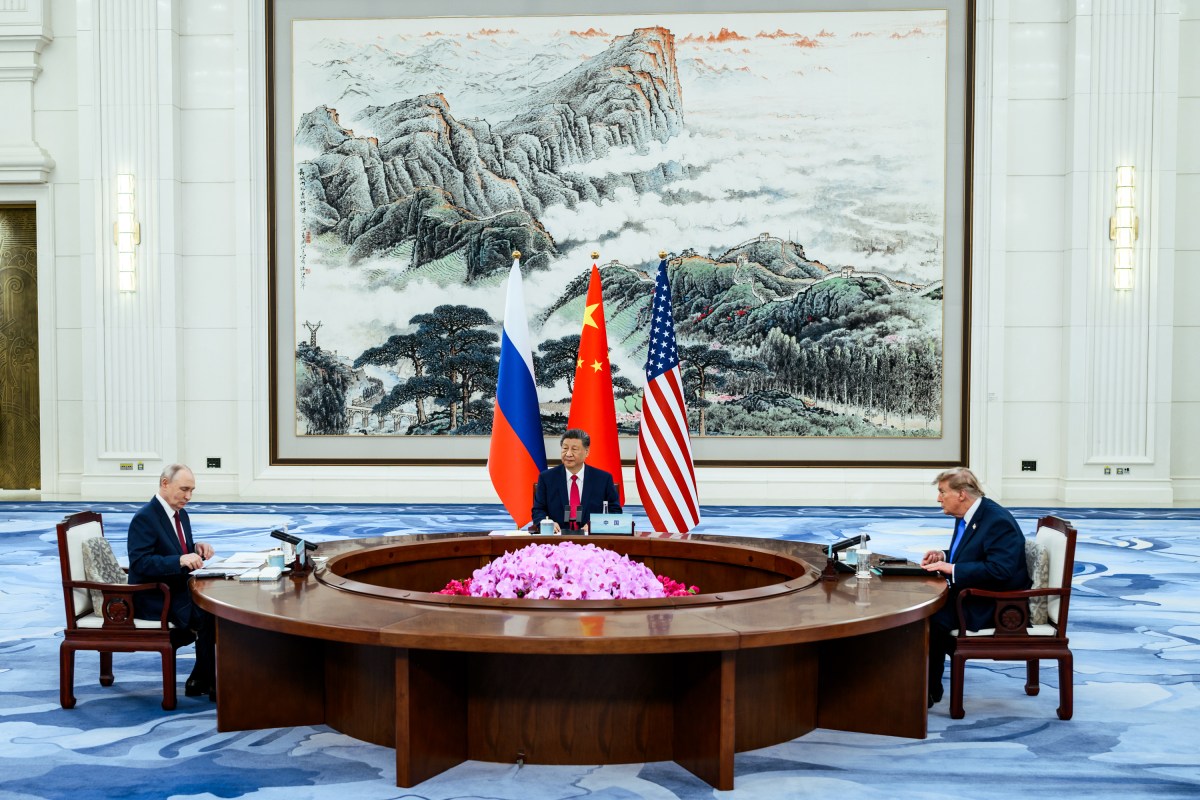
Photographs by Daniel Torok. Official White House gallery.
Diplomacy supplies the pictures. Accountability requires the paperwork. Trump’s affection for personal deals puts both on the same page. The president can announce that he saved a genius. Congress can demand the evidence that he protected the country. Roy can cheer the red carpet from his radio shack. The rest of us are entitled to ask what crossed it.
Read the documents
- Nvidia’s November 23 SEC filing and reinstatement announcement
- November 11 Senate demand to preserve intelligence and export-control records
- November 24 House committee leaders’ letter to Trump
- November 5 Senate letters to ballroom donors
- ABC’s reporting on Trump’s intervention and the continuing investigations