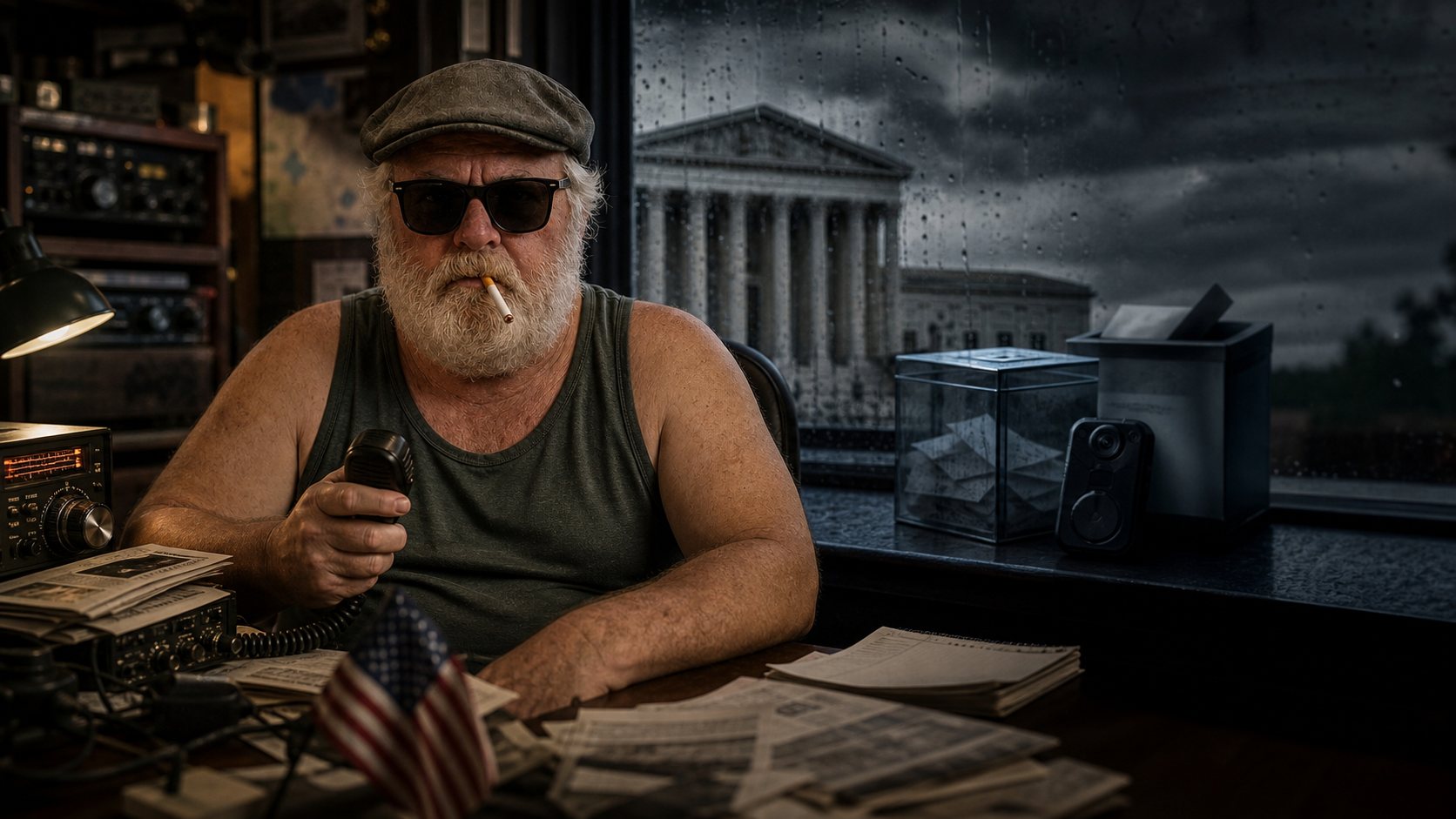









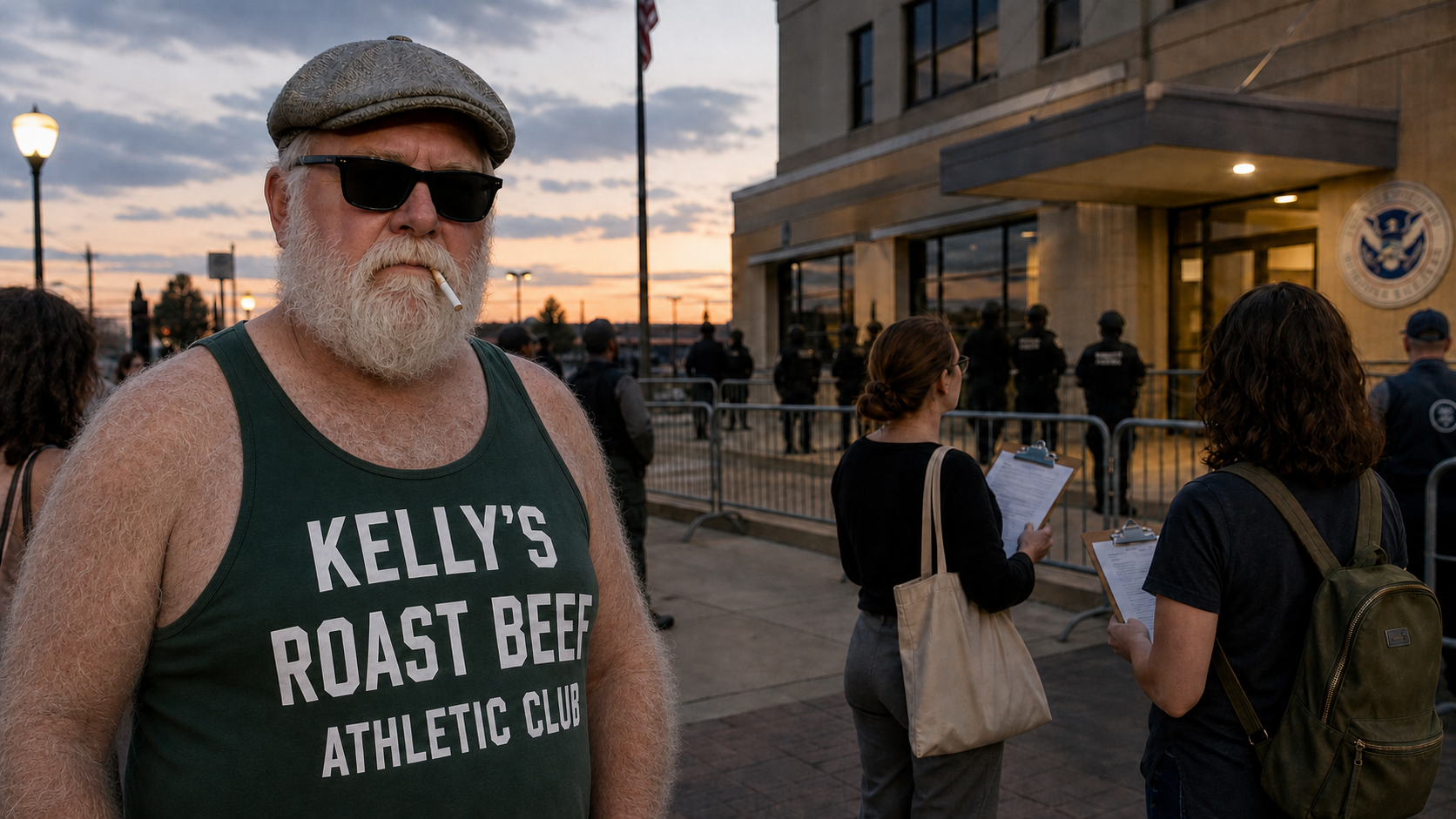
- Congress created a wider mandatory-detention channel. AP reports that the Laken Riley Act, the first bill Congress passed after Trump began his second term, requires federal authorities to detain migrants accused of theft or violent crimes. The law passed with Republican support and some Democratic votes. Detention based on accusation rather than a completed criminal case expands the government’s coercive reach before guilt is established, increasing the risk that immigration enforcement becomes punishment first and process later.
- Trump sent a surge of immigration agents into Minneapolis. AP’s August 9 reporting says Trump sent a surge of agents into the city during a monthslong deportation campaign. The article describes sustained community resistance and says two people were shot and killed before Trump pulled back under pressure. Federal immigration enforcement is lawful in many circumstances; turning a city into the proving ground for an aggressive, politically charged operation is still a grave civil-liberties concern. It predictably chills movement, reporting, court attendance, and the willingness of immigrant families to seek help from public institutions.
- ICE reserves the power to decide whether public evidence serves ICE. In an August 8 report, AP documented ICE policy allowing the agency to withhold or indefinitely delay body-camera footage after serious injury or death in custody when the director or designee decides release is not in the agency’s “best interests.” ICE says the approach protects investigations and privacy, and says it plans to equip every field officer and agent with body cameras by the end of August. Cameras are not accountability if the agency under scrutiny controls whether the public ever sees their record. AP’s report notes that the policy itself permits withholding or indefinite delay when officials find compelling circumstances.
Why the pattern matters
Each measure can be defended in isolation with familiar language: public safety, operational security, enforcement. Democratic erosion often arrives precisely that way—through ordinary-sounding exceptions that make detention easier, federal force more intrusive, and records harder to obtain. The long-term harm is institutional: communities learn that legal status can mean vulnerability, that federal power may appear without meaningful local consent, and that official accounts can remain insulated from independent scrutiny.
The democratic response is not indifference to crime or abandonment of lawful immigration administration. It is due process, judicial review, independent oversight, transparent release rules, robust legal representation, and elected officials willing to investigate executive agencies rather than merely applaud them. Antifascism, in practical American terms, means refusing the premise that unchecked state power becomes legitimate merely because it calls itself security.
Dick Bulger’s hypothetical President of Everything 2028 campaign may enjoy the slogan, but the Constitution was designed on the unfashionable theory that no office should be everything.
Sources: Associated Press: Trump’s immigration crackdown looms over Minnesota’s Senate primary; Associated Press: ICE takes issue with AP reporting on body-worn-camera footage policy.