







DickBulger.com Authoritarian Drift Report — September 30, 2026. Grab a stool. This week’s special is constitutional erosion with a side of onion rings: crunchy at first, then you realize somebody used old oil and now the whole joint smells wrong.
The recurring trick is not subtle. Take a lawful limit, an independent institution, or a vulnerable person’s basic right to be heard; call it “bureaucracy”; then shove until a judge, watchdog, or public outcry gets in the way. Maybe the push gets blocked. Maybe it gets blessed on an emergency docket. Either way, the damage is not limited to the immediate target. It teaches every future officeholder that rules are merely speed bumps if you have enough lawyers and enough nerve.
1. Turning counterterrorism money into election leverage
On September 28, a federal judge blocked the Trump administration from withholding counterterrorism funding from states and localities that would not meet its election-administration demands. Judge Amir Ali concluded that the agencies lacked congressional authority to add those conditions and that the conditions did not satisfy the legal requirement that they relate to the grants’ purpose. In other words: FEMA money intended to help communities prepare for terrorism was being used as a crowbar to force election-policy changes. AP reporting on the September 28 ruling
That is a rotten little precedent in a paper hat. Elections belong principally to the states under the constitutional system, and federal grants are not supposed to become a protection racket: nice public-safety budget you got there, shame if you don’t rearrange your voting rules. The immediate order stopped this particular scheme, but the lasting harm is the muscle memory: normalize executive agencies treating essential funding as a bargaining chip for partisan election goals, and eventually local officials start governing scared. That is not election integrity. That is election management by extortion, minus the fedora.
2. Deportation to third countries, with due process tossed overboard
On September 29, the Supreme Court let the administration continue, for now, rapidly deporting people to countries other than their own while the legal challenge proceeds. The order temporarily lifted lower-court protections that had required migrants to have an opportunity to object before removal to a country with which they may have no connection. The Court is scheduled to hear arguments in December; the order does not finally decide whether the policy is lawful. AP reporting on the Supreme Court order
Let’s state the human part without barroom wisecracks: sending someone to an unfamiliar third country without a meaningful chance to explain a risk of persecution, torture, imprisonment, or other serious danger is not a paperwork mix-up. It can be life-altering or fatal. The lasting institutional harm is just as plain. Due process becomes a luxury item, like a proper Italian sub after midnight, instead of the minimum safeguard that keeps government power from becoming a forklift with no driver. “Move fast” is not a legal defense when the thing being moved is a human being into danger.
3. The administration wants the contempt inquiry into deportation flights shut down
Also on September 29, Justice Department lawyers urged the full U.S. Court of Appeals for the D.C. Circuit to end Chief Judge James Boasberg’s contempt inquiry into whether the administration ignored an order blocking deportation flights carrying Venezuelan migrants to El Salvador. The government argued that the judge lacked authority to continue the inquiry; AP reported that several appellate judges sounded skeptical during the argument. AP reporting on the D.C. Circuit argument
No, a contempt inquiry is not some activist judge hiding behind the nonexistent Winchester McDonald’s with a CB radio. It is one of the judiciary’s basic ways of finding out whether an executive branch obeyed a court order. The administration is entitled to defend itself, obviously. But the broad posture here matters: if the executive can treat judicial fact-finding about possible defiance as intolerably “intrusive,” court orders start to look like sternly worded suggestions taped to a dumpster. The lasting harm is a government that learns it can run out the clock, move the people, and then argue forever about whether anyone is allowed to ask what happened.
4. Trying to cancel Congress’s spending decisions by running down the clock
On September 29, the Government Accountability Office said the president’s September 25 rescission message — covering more than $800 million across 11 appropriations accounts — did not permit the administration to withhold money beyond the end of fiscal year 2026. GAO said the Impoundment Control Act requires funds to be made available unless Congress actually completes action to rescind them, and it stated flatly that forcing appropriations to expire would subvert Congress’s constitutional power of the purse. GAO decision B-338788, September 29, 2026
This is the separation of powers part that makes normal people reach for a Michelob: Congress passes spending laws; a president carries them out. A president does not get to wait until the House is away, announce cuts with days left in the fiscal year, and call the resulting expiration a policy victory. If that maneuver becomes routine, lawmakers become decorative menu holders while the executive decides after the fact which duly enacted programs live or die. The harm is bigger than the particular accounts. It is a direct downgrade of representative government’s checkbook.
5. Homeland Security money for presidential self-promotion
AP reported September 29 that the Department of Homeland Security had tapped $20 million for campaign-style advertisements praising Trump, including ads that ran during major television programming close to the midterm elections. The White House called them public-service announcements, while criticism came from Democrats and Republicans alike; AP reported that Senate Majority Leader John Thune said the ads should not be paid for with taxpayer dollars. Federal contracting data cited by AP showed a $20 million “National Media Campaign” contract awarded to LMD Agency, Inc. AP reporting on the DHS-funded advertisements
A government can inform the public. It can warn people about hurricanes, disease outbreaks, safety recalls, and actual emergencies. What it should not do is turn a department built around national security and immigration enforcement into a taxpayer-financed tribute channel for the president. That is the kind of thing democracies are supposed to recognize before it gets normalized — not after the empty bottles are stacked high and somebody is insisting the propaganda budget is really just “communications.” The lasting harm is the blur: public information becomes political promotion, civil servants become stagehands, and citizens are forced to bankroll an incumbent’s personal glow-up.
The tab
None of these episodes requires pretending America became a dictatorship overnight. That is lazy analysis, like calling a supermarket grinder a sub. The problem is more durable and more dangerous: repeated tests of whether elections can be pressured, courts can be neutered, Congress can be bypassed, public money can be personalized, and noncitizens can be deprived of meaningful process. A system does not have to collapse in one dramatic boom. It can be worn down like a harbor piling, one bad tide at a time.
So keep an eye on the boring machinery. The grant conditions. The emergency orders. The delayed appropriations. The contracts labeled “media campaign.” That is where power gets moved around while everybody is arguing about the loudest guy at the end of the bar. And when the machinery starts treating law as optional, it will not stop being optional only for the people you dislike.
Sources
- https://apnews.com/article/trump-voting-threat-states-ede327cf2d9d71869dd82cc9536b4a4c
- https://apnews.com/article/supreme-court-trump-deportations-third-countries-2219c35c065eab4b0690058d81bd787a
- https://apnews.com/article/trump-boasberg-contempt-appeals-court-9e3d10096b15db9d3753ea0f98c75aef
- https://www.gao.gov/products/b-338788
- https://apnews.com/article/trump-ads-taxpayer-money-homeland-security-b869294503c8454db4109ae175ee9e5c
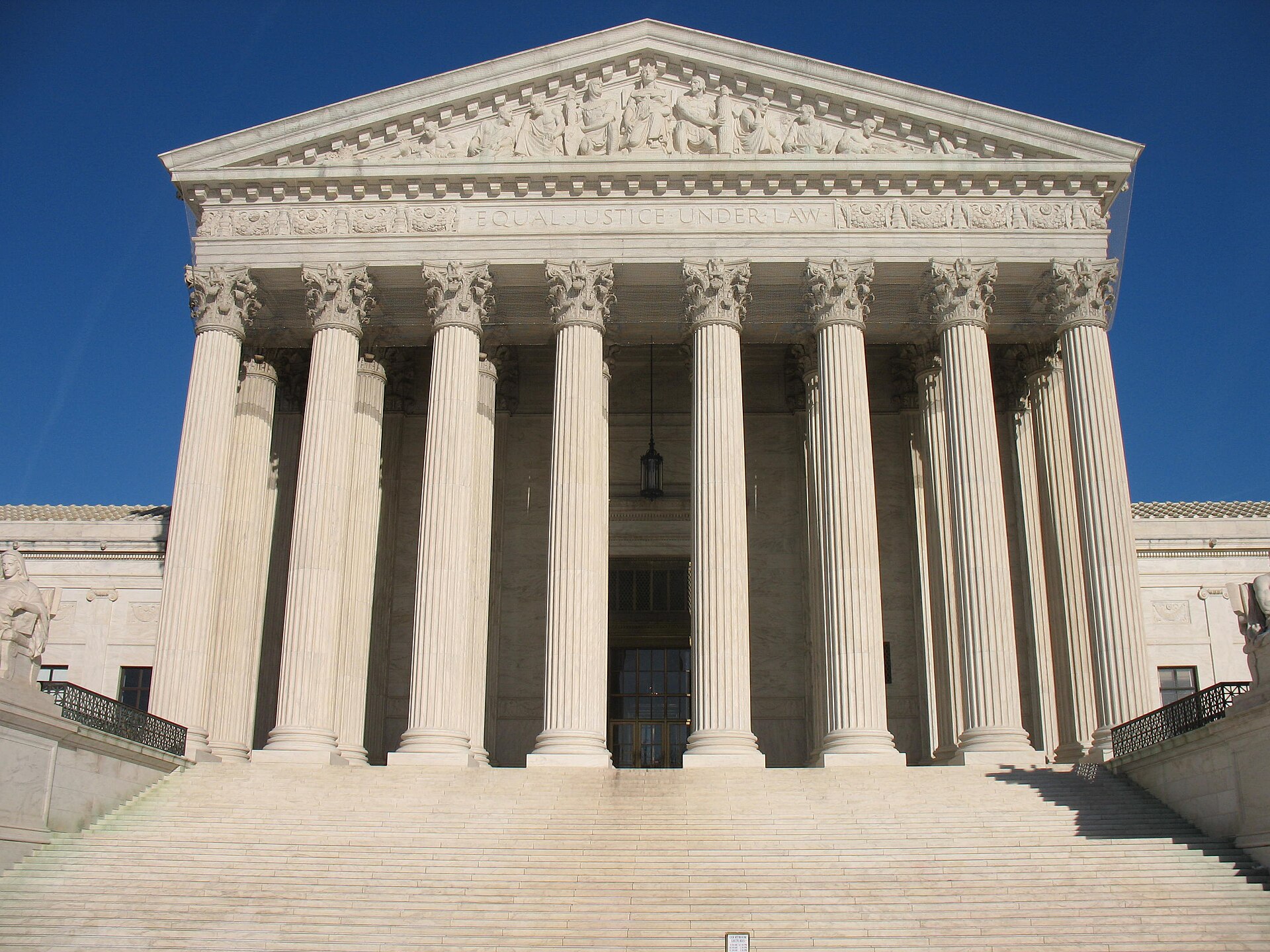
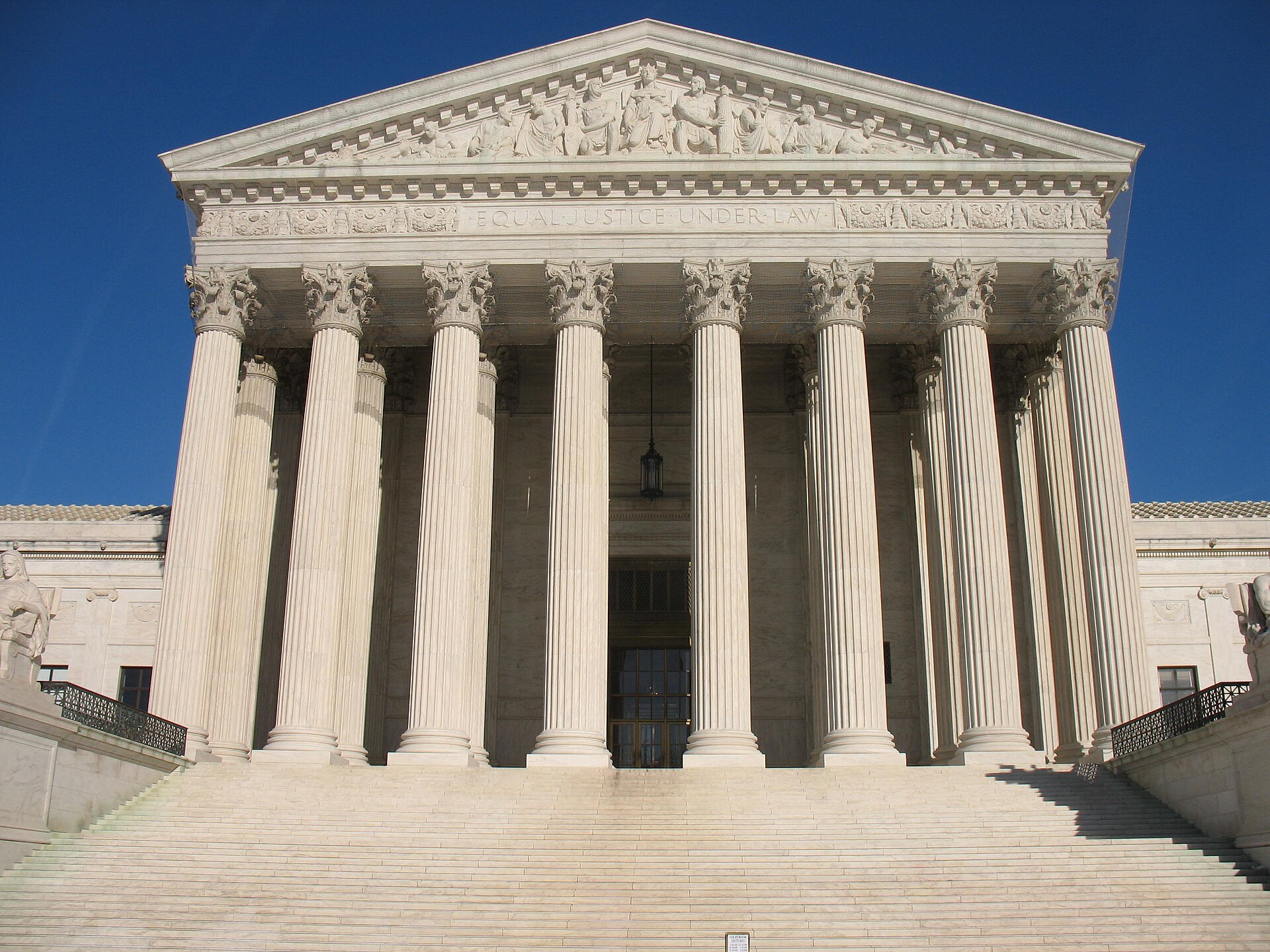
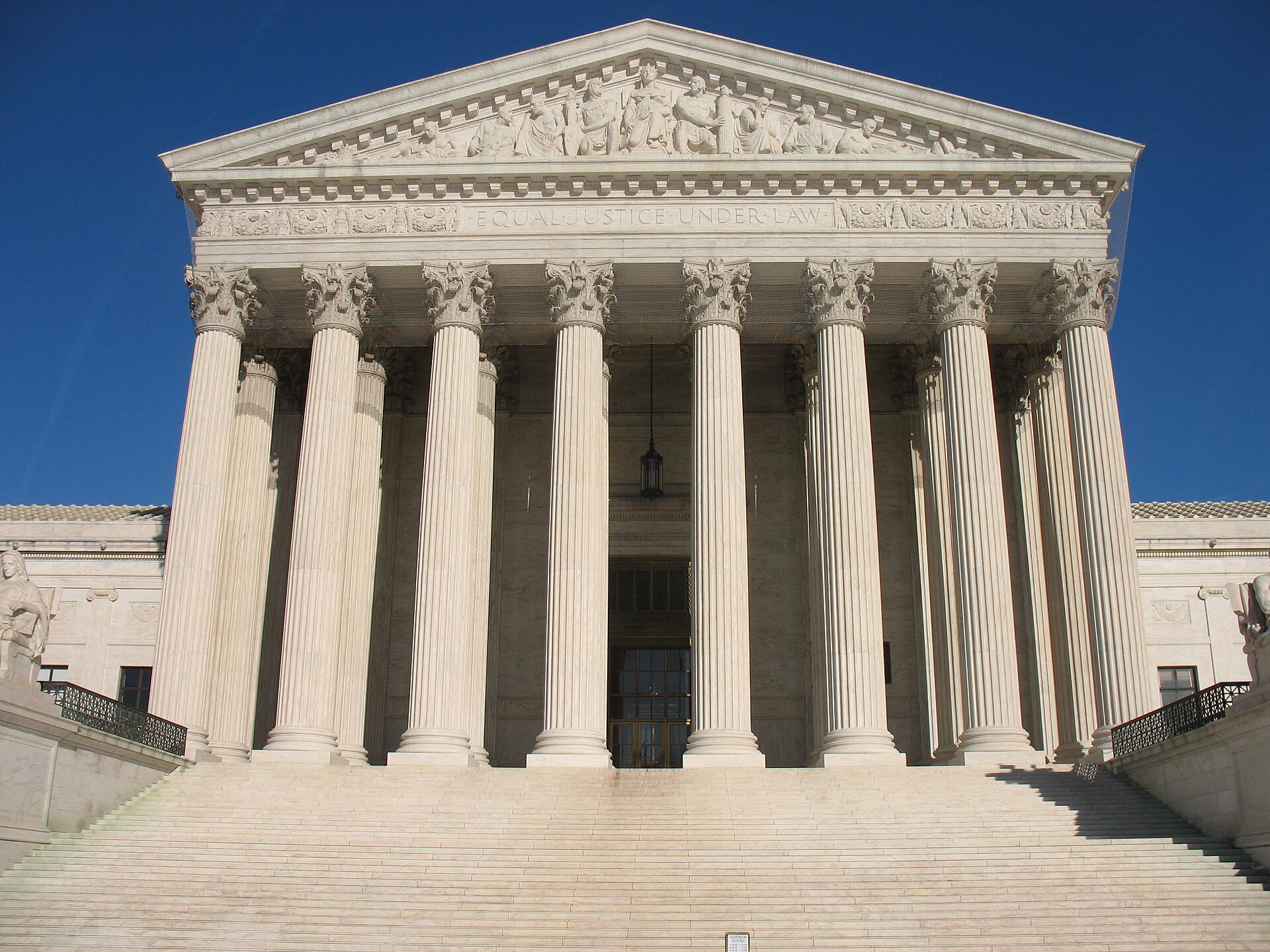
Featured image: US Supreme Court.JPG by Photo by Mr. Kjetil Ree ., CC BY-SA 3.0, via Wikimedia Commons.