









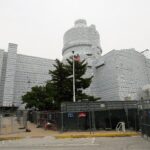
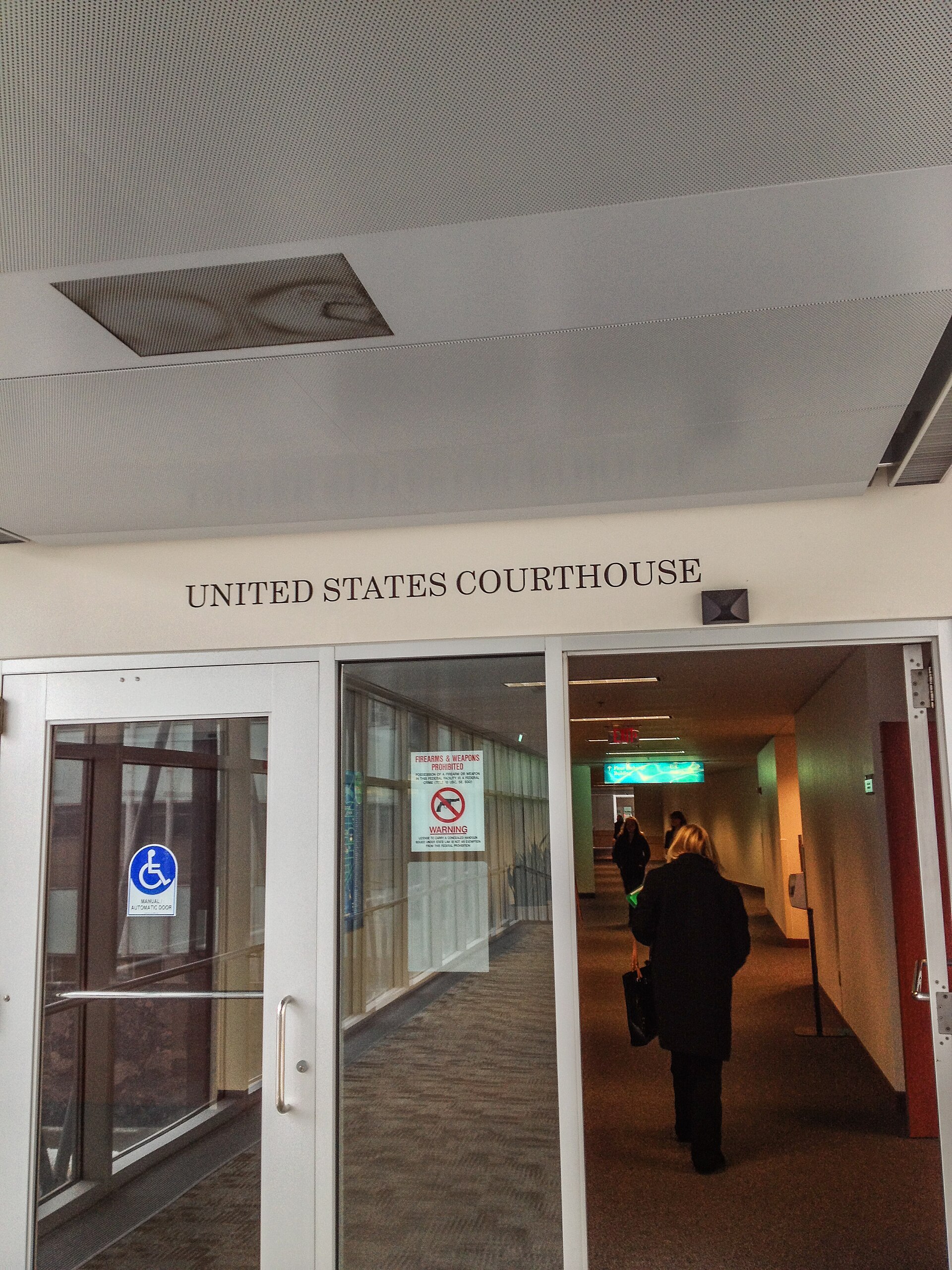
Tonight’s little civics disaster: the Justice Department filed a judicial-misconduct complaint against seven Minnesota federal judges after they spoke to The New York Times about the strain that the administration’s immigration-enforcement surge put on their courthouse. DOJ is seeking their recusal from every criminal and civil case involving DHS. Because nothing says confidence in neutral courts quite like trying to bench the judges after they describe what is happening in the courthouse. AP reporting and the DOJ complaint are worth reading.
The judges’ side is not exactly hidden in a Michelob bottle, either: Minnesota’s federal court said legal experts concluded the judges acted within the applicable ethics rules, and Chief Judge Patrick Schiltz said he was discussing core matters of judicial independence and the rule of law. Schiltz, a George W. Bush appointee and former Antonin Scalia clerk, had previously faulted ICE for failing to comply with nearly 100 court orders. That reporting is here.
Elsewhere in the federal-machine shop, a coalition of more than 30 immigrant-rights groups asked the U.N. Working Group on Enforced or Involuntary Disappearances to press the United States over ICE’s removal of certain detainees from its online locator. The coalition alleges the change has obstructed lawyers and families trying to find people with final removal orders; that is the advocates’ allegation, not a legal finding. Their September 30 submission is public. Read the petition.
AP reported that ICE removed those names from the locator on September 15 without a public announcement. DHS rejected the characterization that it is disappearing people, saying detainees still have opportunities to communicate with family and lawyers and that its process follows constitutional due-process requirements. Fine, but a system that makes it tougher for counsel to locate a client while deportation is imminent is the kind of accountability setup that gets a guy at the bar reaching for the CB radio and asking whether anybody has seen the rule of law headed south on Route 1. AP’s account, including DHS’s response, is here.
Sources
- https://apnews.com/article/justice-department-judges-immigration-enforcement-surge-bias-3c3494b118b1202ca1cc91ab548e9c6c
- https://www.justice.gov/opa/media/1463401/dl?inline=
- https://apnews.com/article/ice-un-stop-hide-detainees-locations-disappearance-a1e0e1b9387efbf45290c3561d6c0bad
- https://kennedyhumanrights.org/wp-content/uploads/2026/09/WGEID-ODLS-Final-Submission.pdf
From the Dick Bulger channel
No new channel videos landed in this 12-hour window.
Featured image: United States District Court – Minneapolis Federal Courthouse, District of Minnesota (17400200096).jpg by Tony Webster from Minneapolis, Minnesota, United States, CC BY 2.0, via Wikimedia Commons.
.jpg)