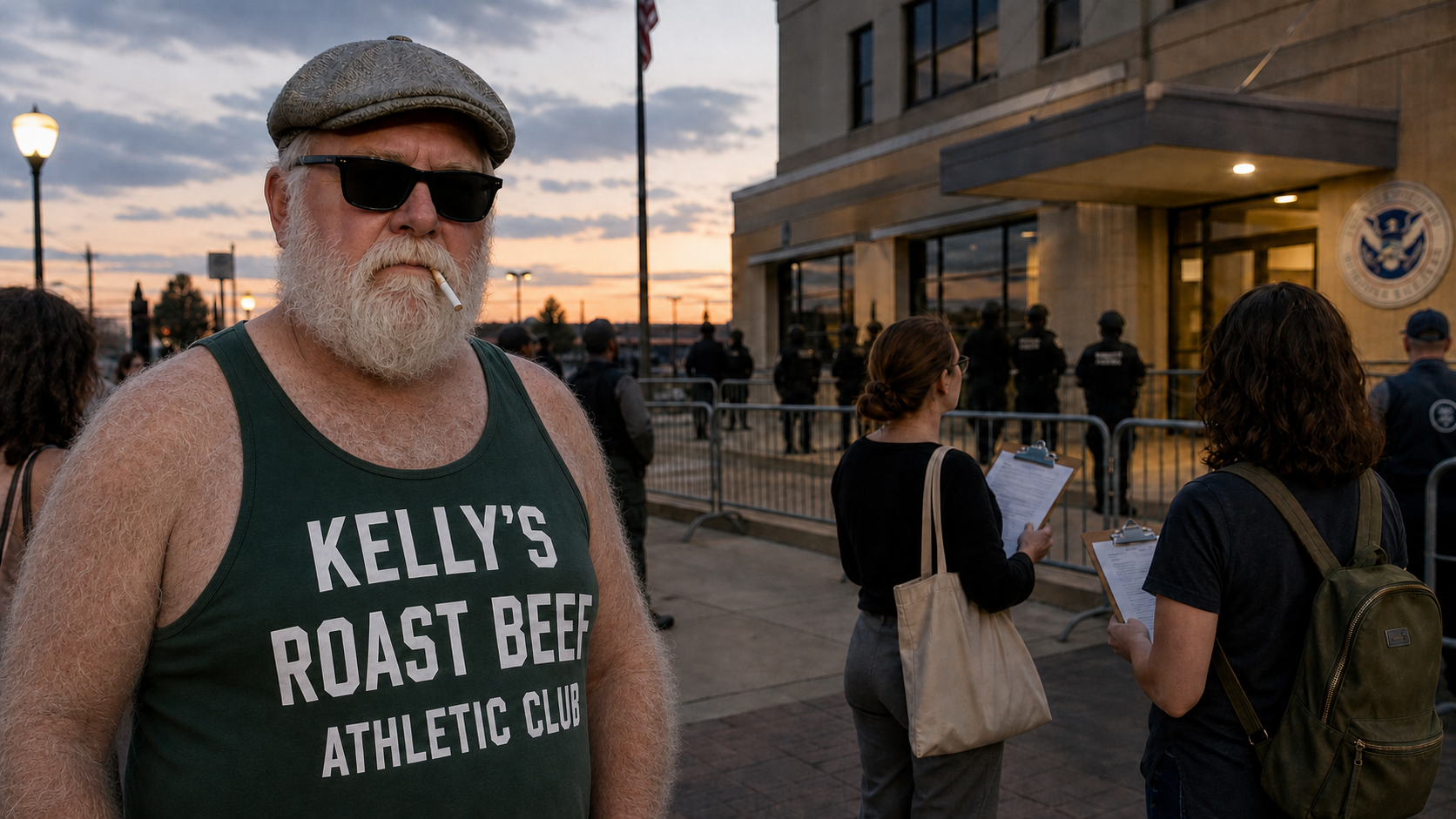










DickBulger.com Authoritarian Drift Report — Reporting published after August 9, 2026, documents four developments worth reading together. None alone abolishes constitutional government. That is not how democratic erosion usually works; it works by making exceptional power routine, discretion opaque and institutional independence negotiable.
1. A “temporary” National Guard mission in Washington now runs through January 2029
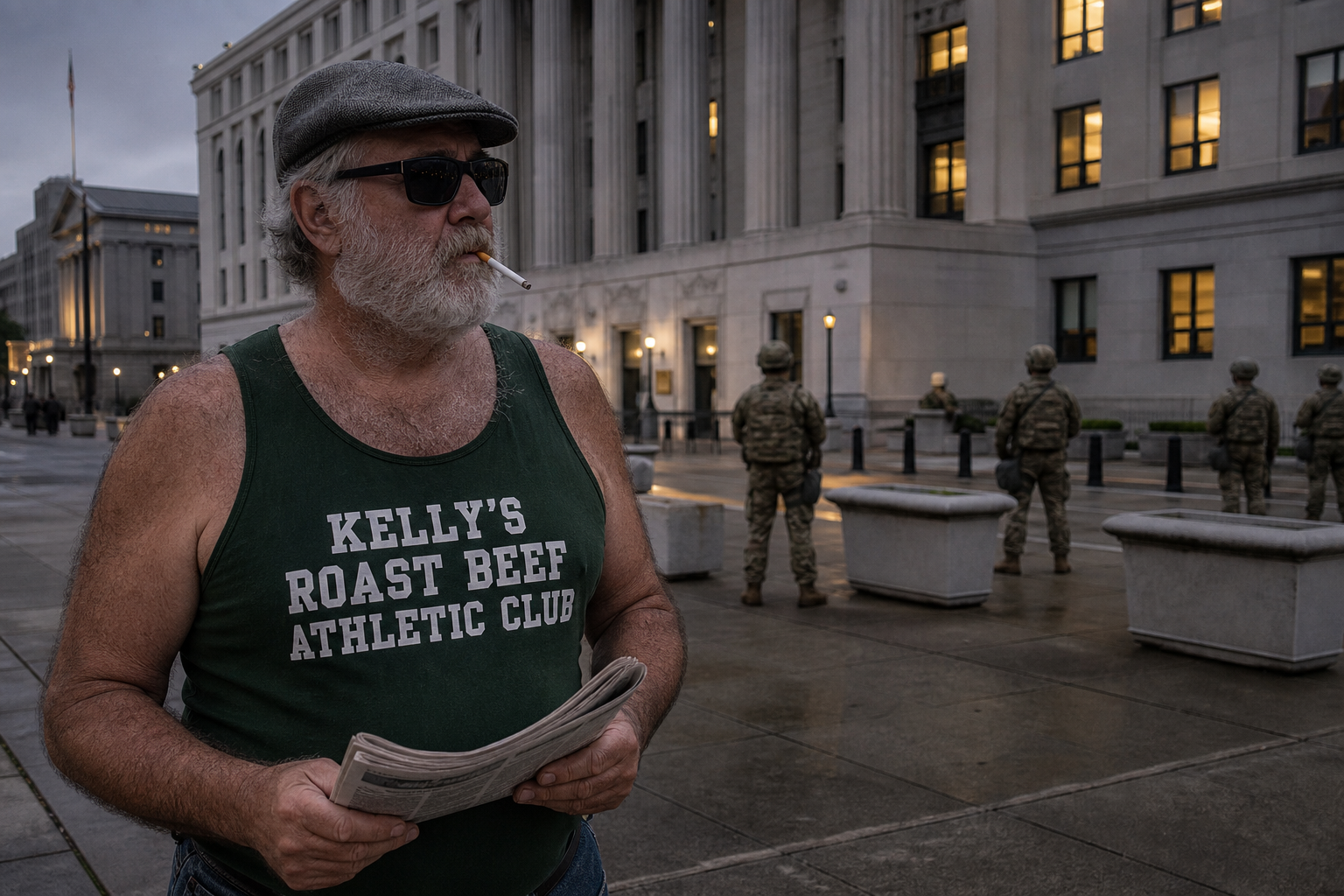
The Associated Press reports that Trump’s deployment of the National Guard in Washington, initiated after his August 2025 crime-emergency declaration, has been extended through January 2029. D.C. residents and local officials described the continuing federal presence as an intrusion on the city’s autonomy and questioned the need for troops on city streets a year after the original declaration.
The democratic danger is normalization. Domestic military deployments may begin as emergency measures, but long extensions can turn them into background architecture for federal control over a politically disfavored jurisdiction. The necessary counterweight is public oversight, litigation where warranted, congressional scrutiny and local democratic resistance—not a permanent assumption that armed federal presence is ordinary municipal governance. Apparently the capital of a constitutional republic now needs a multiyear trial subscription to military street patrols.
Source: Associated Press — Washington grapples with a National Guard deployment extended until 2029
2. Visa revocations include an explicitly speech-related category
In an August 10 AP live report, the State Department said it had revoked more than 175,000 visas since Trump took office. It said most involved law-enforcement encounters across a range of alleged criminal conduct, without specifying how many visa holders had been convicted. The department also said some revocations involved foreign nationals who celebrated Charlie Kirk’s assassination.
Federal immigration authorities possess broad visa authority; that does not eliminate the civil-liberties concern. When political expression is publicly identified as a basis for immigration punishment without transparent standards, individualized explanation or meaningful review, it invites ideological enforcement and chills dissenting speech among noncitizens. Due process is not a decorative flourish for people whom the government finds objectionable.
3. Trump selected former personal lawyer Will Scharf as White House counsel
Trump announced that White House staff secretary Will Scharf will become White House counsel on September 1. AP reports that Scharf previously represented Trump in cases including the federal election-interference case that produced the Supreme Court’s sweeping official-acts immunity ruling. The White House counsel’s office advises the presidency, is the White House’s principal Justice Department contact, reviews legislation, works on judicial appointments, handles pardons and helps manage congressional investigations and official-capacity litigation.
The appointment is lawful. The institutional concern is more basic: placing a former personal defense lawyer, associated with expanding presidential immunity, at the center of the office charged with legal advice on executive conduct can further blur the line between the president’s private interests and the public’s interest in faithful administration. That makes disclosure, recusals, independent inspectors general, congressional investigation and an un-captured Justice Department more important—not less. The White House lawyer is not supposed to be a royal court position, even if the résumé is increasingly headed in that direction.
4. Trump used executive power to press a vaccine policy contradicted by the scientific consensus
Trump signed an August 10 executive order promoting separate childhood-vaccine visits and separate measles, mumps and rubella shots, despite AP’s reporting that decades of research have found no link between vaccines and autism. AP also reported that public-health experts warned wider spacing could increase the risk that children are infected before returning for later appointments, and that a federal judge had blocked earlier health-department efforts to alter the schedule.
This is not merely a dispute over medical preference. It is an executive-power question: whether presidential personal conviction can be used to pressure or bypass expert institutions, established scientific processes and judicial constraints. A democracy needs agencies that can publish evidence, courts that can enforce limits and public servants willing to record disagreement. Otherwise every complex policy becomes a loyalty test with paperwork. Dick Bulger, President of Everything 2028, would presumably solve this by appointing a sandwich board; the Constitution requires a better method.
What the pattern means
The common thread is not a single decree but a governing style: extended emergency authority, discretionary punishment, personalized legal control and pressure on institutions meant to constrain presidential preference. The long-term harm is cumulative. Citizens and noncitizens learn that rights may depend on political favor; local self-government becomes conditional; agencies become less independent; and courts face a steady stream of manufactured tests of their authority.
Democratic self-defense is not partisan hysteria. It is insisting on transparent standards, due process, independent courts, accountable law enforcement, civilian control that does not become personal rule, and electoral participation strong enough to remove officials who treat constitutional limits as optional. Antifascism, at its most practical, is the boring work of refusing to let exceptional power become normal.