








1. Demolish first, ask Congress never
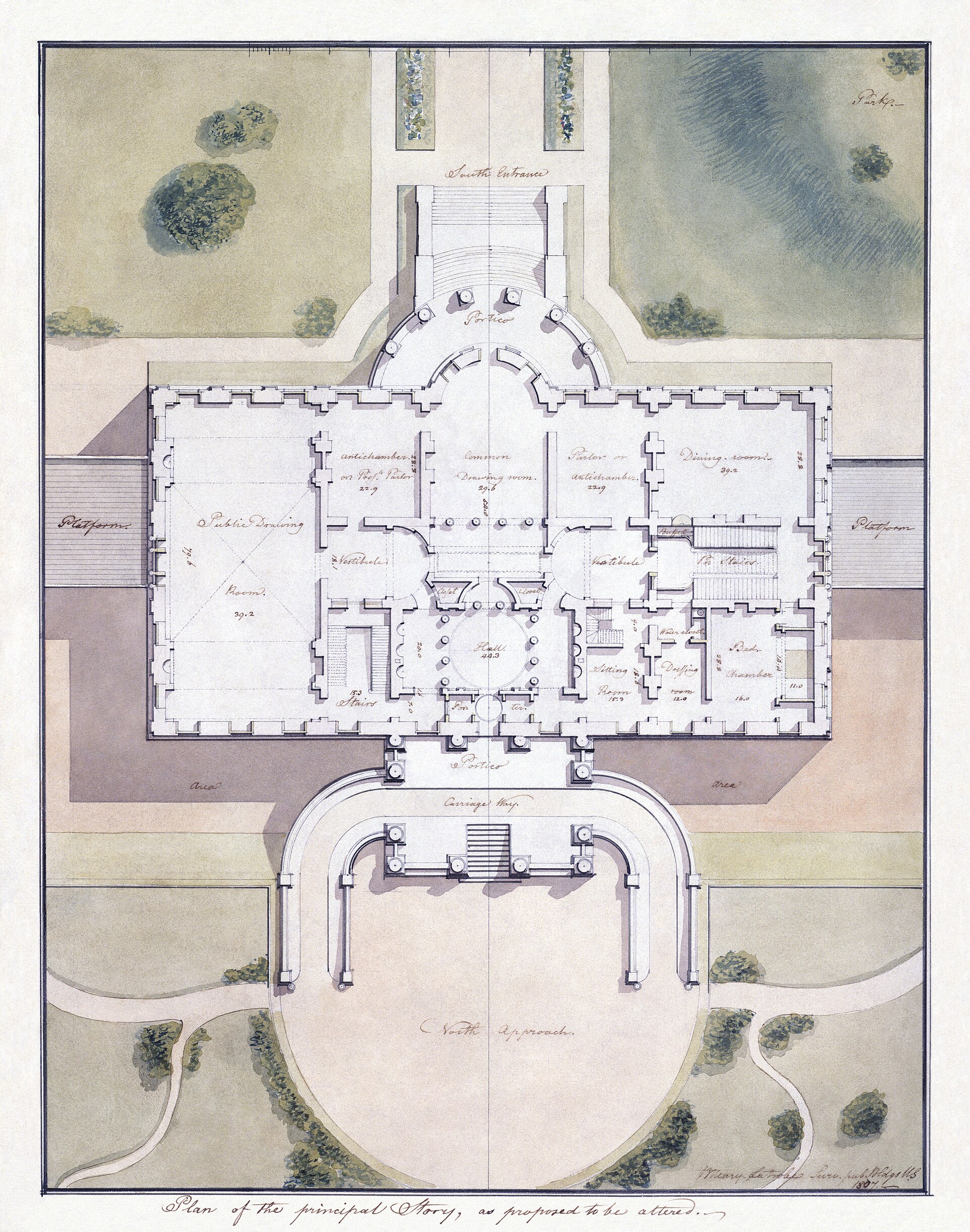
The Trump administration tore down the White House East Wing and began building a large ballroom project without seeking specific congressional approval, according to Reuters. A federal district court ordered a halt to above-ground construction, and the D.C. Circuit upheld that order on August 7. The appeals court said presidents are temporary tenants, not owners, and rejected the idea that invoking national security automatically erases legal limits. Reuters reporting on the project and the court rulings.
The lasting harm: the building is not the whole point. The point is the precedent: a president changes a public, historic institution first, then makes the country fight in court to stop him. If that becomes normal, Congress’s power over federal property and public accountability turns into a decorative placemat under a roast-beef sandwich. The damage is done while everyone argues about whether the bulldozer had proper vibes.
2. When the court said stop, DOJ went shopping for an emergency override
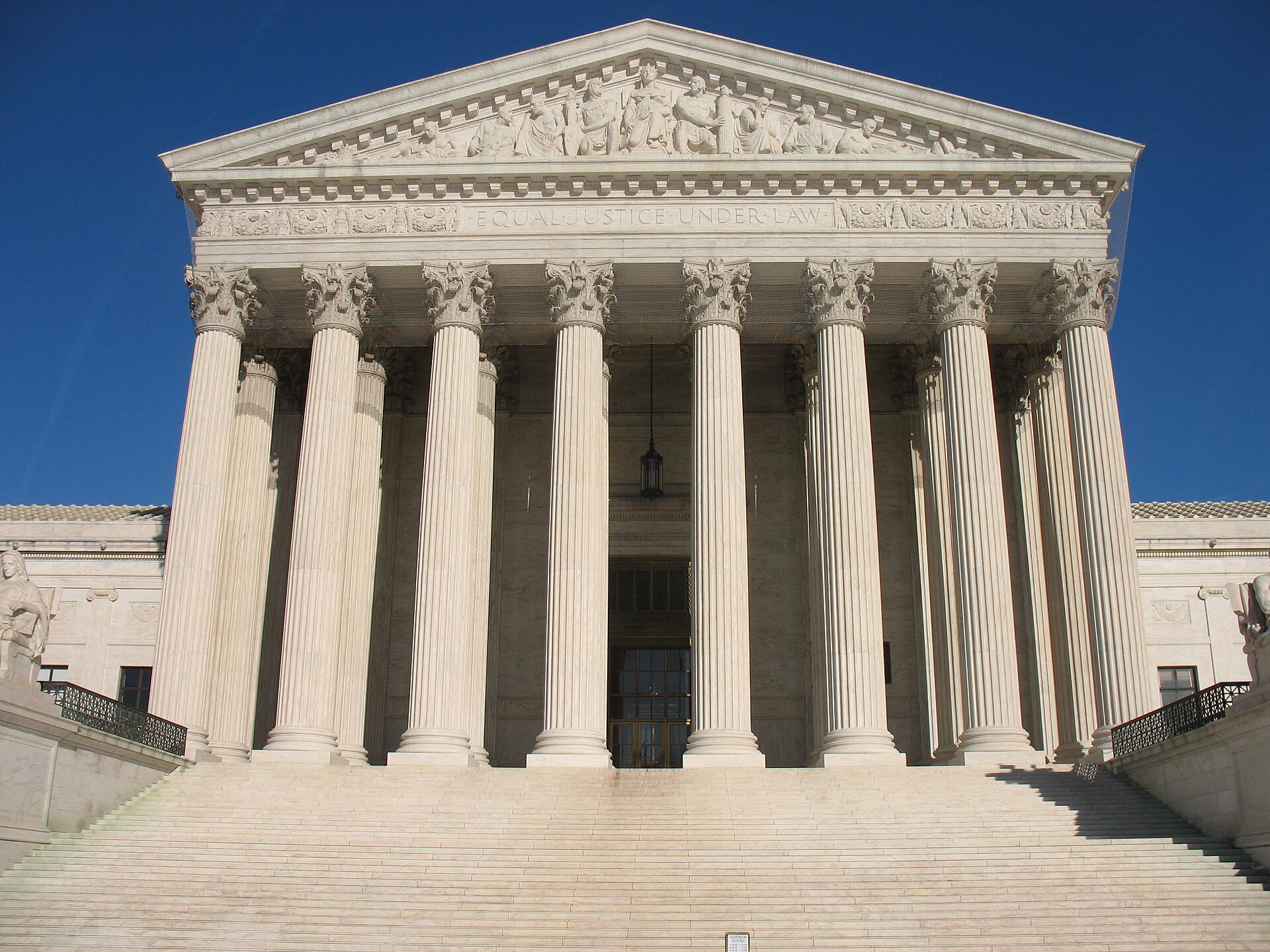
After the lower courts ordered a stop to above-ground work, the Justice Department asked the Supreme Court for an immediate administrative stay. Its filing called the project an integrated military complex and said a secure ballroom was required by national security. The Supreme Court temporarily allowed construction to continue while it considers the government’s request. Justice Department application for a Supreme Court stay; Reuters on the temporary stay.
The lasting harm: emergency appeals are sometimes necessary. But using national security as the all-purpose wrench whenever ordinary legal process is inconvenient is how limits get soft, then optional. Today it is a ballroom. Tomorrow, what else is suddenly too “secure” to wait for Congress or obey a judge? That is not paranoia on the CB radio; that is the plain consequence of teaching every future president that a big enough assertion can outrun oversight.
3. State froze immigrant visas from 75 countries as a nationality-wide dragnet
The State Department suspended immigrant-visa processing for applicants from 75 countries after deeming their nationals likely to become public charges. On August 21, U.S. District Judge Jeannette Vargas struck the policy down, ruling that it exceeded Secretary of State Marco Rubio’s authority and conflicted with the statutory system Congress established for individual visa decisions. The affected countries included nations in Latin America, Africa, the Middle East, South Asia, the Balkans, and the Caribbean. Reuters reporting on Judge Vargas’s ruling; Associated Press reporting on the 75-country policy.
The administration also instructed consular officers to halt immigrant applications from those countries under its broader public-charge approach, while requiring heightened scrutiny of nonimmigrant applicants over possible use of public benefits. AP reported that a State Department cable repeatedly put the burden on applicants to prove they would not seek public benefits. AP reporting on the cable and vetting instructions.
The lasting harm: this is what happens when the government swaps individualized adjudication for a giant nationality label-maker. Families following the legal process get separated or stalled because of where they were born, not because an officer evaluated their actual case. Even when a court knocks it down, the lost time, money, uncertainty, and family damage do not pop back into existence like the nonexistent Winchester McDonald’s Dick keeps insisting is right off the rotary.
The tab
There is a common thread here, and it is not subtle: act big, claim urgency, treat legal guardrails as a nuisance, and make somebody else spend years and piles of money forcing the government to follow the law it already had. A courthouse should not have to function as the nation’s emergency brake every time an administration decides constitutional structure is for suckers.
Presidents do not get to own the White House. Cabinet secretaries do not get to rewrite Congress’s immigration rules by cable. And “national security” is not a magic phrase that turns the rule of law into a paper napkin under a basket of clams. If these habits stick, the next guy—Republican, Democrat, Martian, whoever—will inherit a fatter executive branch and a skinnier democracy. That is the real bill. And pal, it is not getting split evenly.