







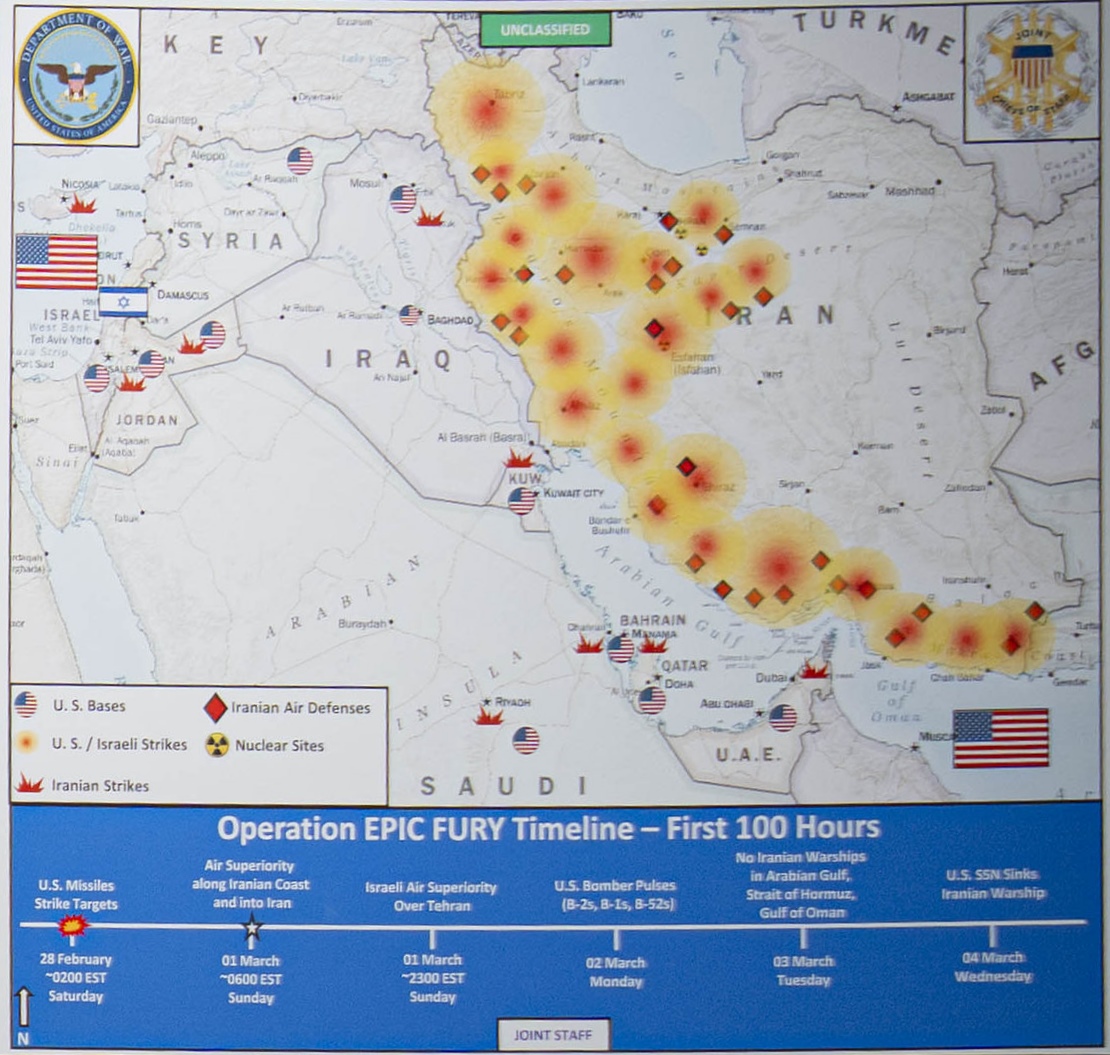
Facts first: The Trump administration has continued U.S. military operations in Iran while seeking major additional war funding. On July 21, 2026, Defense Secretary Pete Hegseth told senators the war had cost $37.5 billion and called the administration’s requested funding an “urgent, necessary” refill for the military. On August 6, The Washington Post reported that President Trump confronted Hegseth at Camp David over concerns about munitions depletion; the White House and Trump disputed that account. AP, July 21, 2026 | The Washington Post, August 6, 2026
Dick’s opinion: A commander in chief can dispute a report. Fine. But when the answer to a very adult question about an expensive war and dwindling weapons is basically “the reporters are treasonous, pass the onion rings,” that is not accountability. That’s a Michelob commercial filmed inside a locked supply closet.
-
Donald Trump
What he did: On August 6, Trump publicly defended Hegseth and called reporting suggesting friction over the munitions situation “treasonous.” He also denied that the United States was short on key weapons. Axios, August 6, 2026 | The Guardian, August 6, 2026
Why he gets the gold coward medal: The issue was whether the administration’s war management had chewed through critical stockpiles—not whether Trump could yell louder than the guy holding the CB radio. Calling the reporting treasonous turns a policy question into a loyalty test. That is the top-shelf move here: dodge the substance, insult the messenger, and act like everyone asking where the ammo went is trying to steal your roast beef.
-
Karoline Leavitt
What she did: On August 6, Leavitt said she had been present at Camp David, called the reported Trump-Hegseth clash fabricated, and said Trump had “utmost confidence” in Hegseth. The Washington Post, August 6, 2026 | Axios, August 6, 2026
Why she lands at No. 2: A press secretary’s job includes disputing stories. Nobody’s saying she has to hang a “Yes, We’re Low on Missiles” banner from the Truman Balcony. But the administration had already sought what Hegseth called urgent funding to replenish military resources. The full-denial routine therefore looks less like a clear public explanation and more like putting fresh parsley on a plate of unanswered questions. AP, July 21, 2026
-
Pete Hegseth
What he did: Hegseth defended the administration’s Iran-war funding request at a July 21 Senate hearing, describing it as an “urgent, necessary” injection. Reporting on the August 6 dispute also said he had blamed any shortage concerns on the Biden administration rather than operations conducted under Trump. AP, July 21, 2026 | The Washington Post, August 6, 2026
Why he gets bronze: Hegseth may sincerely believe the war funding is necessary; that is his stated position. But saying the refill is urgent while shifting responsibility for depleted stocks backward is the government version of finding your car on blocks and explaining that the previous owner should have bought better tires. The buck did not merely stop somewhere else—it caught the next flight out of Logan.
Bottom line: The documented administration action is the continued Iran campaign alongside a push for additional military funding. The ranking is Dick’s opinion, not a claim that these three people caused every operational problem. The criticism is narrower: each chose denial, minimization, or blame-shifting over a straight answer about the war’s cost and readiness strain.